
For many pets, the rumble of a thunderstorm or the crack of fireworks is more than just a loud noise, it’s a frightening experience. While some pets barely react, others may become anxious, hide, pace, tremble, or even try to escape. Noise anxiety is a common behavioral concern among both dogs and cats, but the good news is that it can often be managed with the right strategies and support.
At Tipp City Veterinary Hospital, we understand how stressful these situations can be for both pets and their families. Our team is here to help you recognize the signs of noise anxiety and develop a plan to keep your pet feeling safe and secure.
What Is Noise Anxiety?
Noise anxiety occurs when a pet experiences fear or distress in response to loud or unexpected sounds. Common triggers include:
- Thunderstorms
- Fireworks
- Construction noise
- Gunshots
- Loud vehicles or motorcycles
- Household appliances such as vacuums
- Smoke alarms or other high-pitched sounds
Some pets may develop anxiety after a single frightening experience, while others become more sensitive as they age.
Recognizing the Signs of Noise Anxiety
Every pet reacts differently to stress. Some signs of noise anxiety are obvious, while others can be subtle. Watch for behaviors such as:
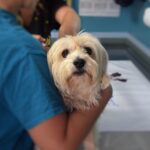
- Trembling or shaking
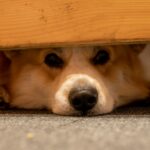
- Hiding under furniture or in closets
- Excessive barking or meowing
- Panting or drooling
- Pacing or restlessness
- Clinginess or seeking constant attention
- Refusing food or treats
- Attempts to escape the house or yard
- Destructive behavior
- Accidents in the house despite being house-trained
If your pet regularly displays these behaviors during loud events, they may be experiencing more than simple nervousness.
Create a Safe Space
One of the best ways to help an anxious pet is to provide a quiet, comfortable retreat. Choose an area of your home where your pet already feels secure. Add familiar bedding, favorite toys, and fresh water. During storms or fireworks, close curtains or blinds to reduce flashes of light and use white noise, calming music, or a television to help mask outside sounds.
Never force your pet to leave their safe space. Allow them to remain there until they feel comfortable.
Stay Calm Yourself
Pets often look to their owners for reassurance. If you become anxious or overly comforting, your pet may interpret your behavior as confirmation that something is wrong.
Instead, remain calm and speak in a relaxed, normal voice. Continue your regular routine as much as possible, rewarding calm behavior with praise or treats.
Prepare Before the Noise Starts
For predictable events like fireworks displays or severe weather forecasts, planning ahead can make a significant difference.
Before the event:
- Exercise your dog earlier in the day to help burn excess energy.
- Take dogs outside before fireworks begin.
- Keep pets safely indoors during storms and celebrations.
- Ensure collars and microchip information are current in case an anxious pet escapes.
Preparation often helps reduce both stress and safety risks.
Can Calming Products Help Noise Anxiety?
Some pets benefit from calming aids, including :
- Anxiety wraps or pressure garments
- Pheromone diffusers or sprays
- Calming supplements
- Prescription anti-anxiety medications
Not every solution works for every pet. What helps one dog may not be effective for another, which is why it’s important to discuss options with your veterinarian before trying new products.
When Behavioral Support Is Needed
If your pet’s anxiety is severe, behavioral training can be one of the most effective long-term solutions.
At Tipp City Veterinary Hospital, we offer behavioral guidance to help pets overcome fear and anxiety through personalized treatment plans.
Depending on your pet’s needs, we may recommend:
- Behavior modification techniques
- Desensitization and counterconditioning exercises
- Environmental changes
- Anxiety management strategies
- Medication when appropriate
Addressing anxiety early can prevent it from becoming more severe over time and improve your pet’s overall quality of life.
You’re Not Alone
Watching your pet struggle with fear can be heartbreaking, but you don’t have to manage it on your own. Our experienced veterinary team understands that emotional health is just as important as physical health. We take the time to understand your pet’s unique personality and develop solutions that help them feel more confident and comfortable.
Whether your pet experiences mild nervousness or severe panic during loud noises, we’re here to help every step of the way.
Helping Your Pet Live Their Best Life
Noise anxiety is more than an inconvenience, it can affect your pet’s overall health, safety, and well-being. With the right combination of preparation, training, and veterinary support, most pets can learn to better cope with stressful situations.
If your pet becomes anxious during thunderstorms, fireworks, or other loud events, schedule a consultation with Tipp City Veterinary Hospital. Together, we can create a personalized plan that helps your companion feel calmer, safer, and more confident, no matter what sounds come their way.